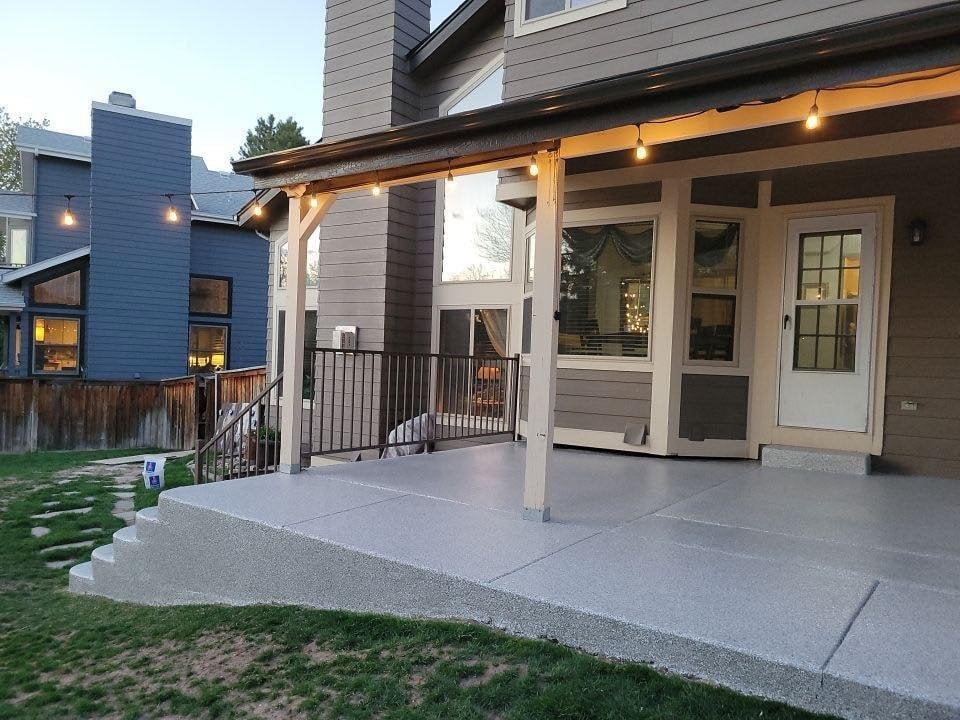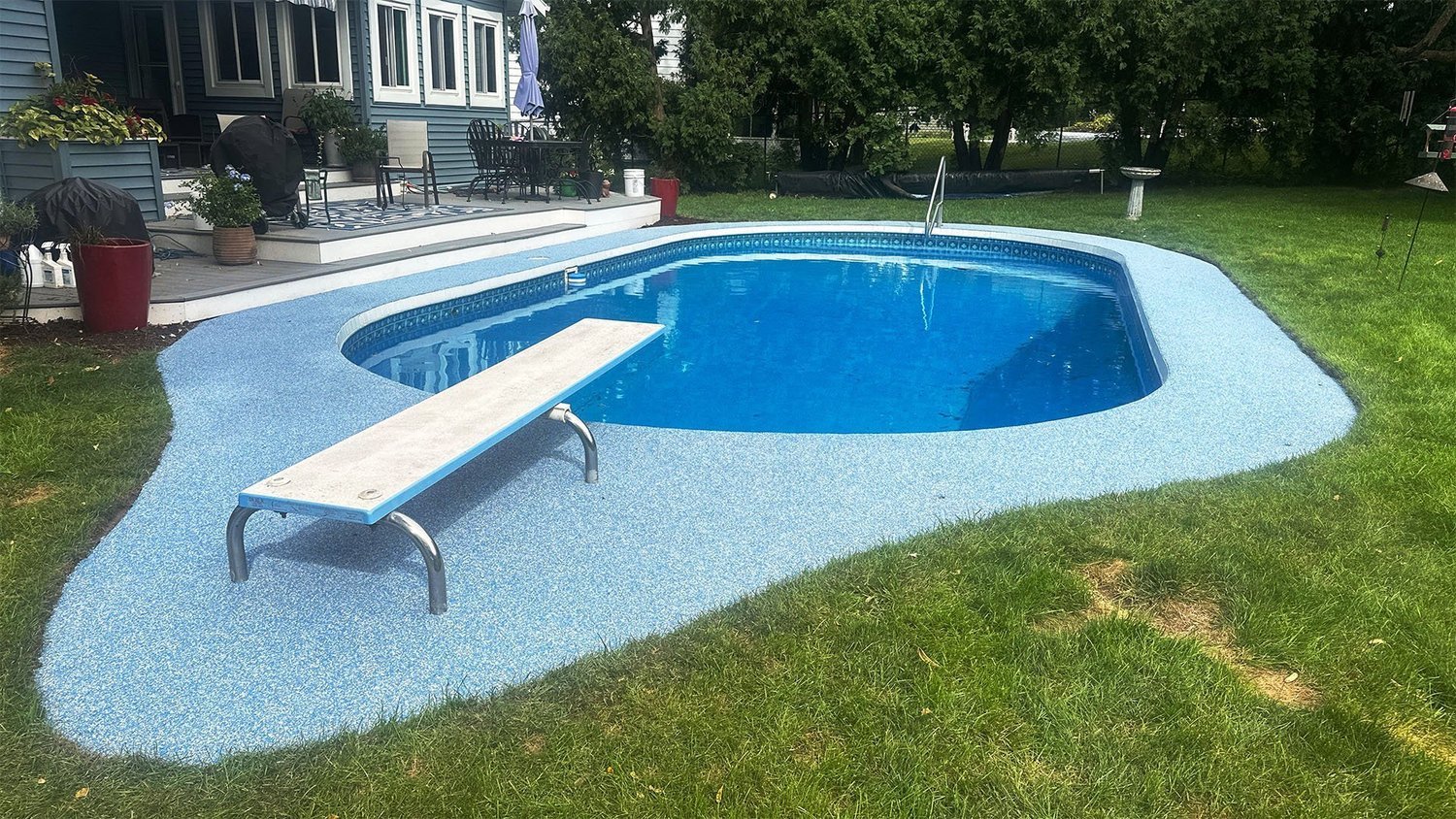
Quick Answer: Proper pool deck preparation is the most critical step before any professional coating is applied. Homeowners in Connecticut can handle key prep tasks—cleaning, crack repair, and moisture testing—to save time and ensure better results when working with a pool deck coating company in East Berlin, CT.
Getting a freshly coated pool deck feels like a win. But that glossy, slip-resistant finish? It lives or dies by what happens before the coating ever touches the surface.
Professional applicators will tell you the same thing: preparation accounts for the majority of a coating's long-term performance. Skip it or rush it, and even the highest-quality rubber coatings for pool decks won't bond properly—leading to peeling, bubbling, or premature failure within a season or two.
The good news is that Connecticut homeowners can handle several prep steps themselves before the pros arrive. This guide walks you through exactly what to do, what to avoid, and how to set your deck up for a coating that lasts.
---
Key Takeaways
- Thorough cleaning, crack repair, and moisture testing are the three most impactful DIY prep steps before professional pool deck coatings are applied.
- Connecticut's freeze-thaw cycles create unique surface challenges—addressing existing cracks and spalling before coating prevents moisture from worsening the damage.
- Partnering with a pool deck coating company in East Berlin, CT like Next Level Concrete Coatings ensures the final application is done correctly on a surface that's truly ready.
---
Why Prep Work Matters More Than the Coating Itself
Coatings are only as strong as the surface beneath them. A professional-grade rubber coating for pool decks is designed to flex, grip, and resist UV exposure—but none of those properties matter if the substrate is contaminated, damp, or structurally compromised.
Connecticut's climate adds another layer of complexity. The state experiences significant freeze-thaw cycles each winter, which expand and contract concrete repeatedly. This puts stress on existing cracks and creates new ones. By spring, many pool decks have surface damage that, if left unaddressed, will trap moisture underneath a fresh coating and cause it to fail from below.
Starting your prep work early—ideally a few weeks before your scheduled coating appointment—gives damaged areas time to cure and allows you to identify any issues that may need professional attention.
---
Step 1: Deep Clean the Entire Surface
Before anything else, the deck needs to be thoroughly cleaned. Coatings won't adhere to surfaces that have algae, mildew, grease, sunscreen residue, or mineral deposits—all of which are common on pool decks.
What to do:
- Sweep away all loose debris, leaves, and dirt.
- Apply a concrete degreaser or deck cleaner and let it dwell according to the product instructions.
- Pressure wash the entire surface at a minimum of 3,000 PSI. Work in consistent, overlapping passes to avoid streaking.
- Pay extra attention to shaded areas, which tend to harbor mold and algae growth.
Allow the deck to dry completely—at least 48 to 72 hours in warm weather—before moving on. Moisture trapped beneath a coating is one of the leading causes of adhesion failure.
---
Step 2: Inspect for Cracks, Spalling, and Structural Damage
Once the deck is clean and dry, do a thorough visual inspection. Look for:
- Hairline cracks: Common after freeze-thaw cycles. Small but worth addressing before coating.
- Wide or deep cracks: Any crack wider than 1/8 inch should be filled with a flexible concrete crack filler, not a rigid patching compound.
- Spalling: Flaking or pitting on the surface. Light spalling can often be addressed with a concrete resurfacer before coating.
- Settled or heaved sections: If parts of the deck have shifted significantly, that's a structural issue that goes beyond DIY prep and should be evaluated by a professional.
For standard crack repair, use a polyurethane or epoxy-based filler designed for concrete. These products remain flexible after curing, which matters in Connecticut's climate where the ground continues to shift with temperature changes.
Let all patched areas cure fully before proceeding. Rushing this step is one of the most common DIY mistakes.
---
Step 3: Test for Moisture
This step is easy to skip—and costly to ignore. Concrete is porous, and if moisture is wicking up from beneath the slab (a condition called hydrostatic pressure), a coating applied on top will eventually bubble and delaminate.
How to test:
- Tape a 12-inch square of plastic sheeting to the deck surface, sealing all four edges.
- Leave it in place for 24 hours.
- If moisture or condensation appears underneath, the slab has a moisture issue that needs to be addressed before coating.
In Connecticut, this is especially relevant for decks that are partially shaded or situated near the water table. If you detect significant moisture, discuss it with your coating contractor before the appointment. A professional pool deck coating company in East Berlin, CT like Next Level Concrete Coatings can recommend moisture-mitigation primers designed for these conditions.
---
Step 4: Address Efflorescence and Surface Contaminants
Efflorescence is the white, chalky residue that appears when water moves through concrete and deposits salts on the surface. It's common on older pool decks and will prevent coatings from bonding correctly.
Remove efflorescence with a diluted muriatic acid wash or an efflorescence-specific cleaner. Follow all safety precautions—wear gloves, eye protection, and ensure adequate ventilation. Rinse thoroughly after treatment and allow to dry completely.
Also check for any previously applied sealers. Coatings like rubber coatings for pool decks require direct contact with the concrete substrate. Existing sealers create a barrier that prevents proper adhesion. If a sealer is present, mechanical grinding or chemical stripping may be required—a task best left to professionals.
---
What to Leave to the Professionals
DIY prep has real value, but knowing where to stop is just as important as knowing where to start. Leave the following to your coating contractor:
- Profile grinding or shot blasting: Opening the concrete's pores for maximum adhesion requires industrial equipment.
- Sealer removal: Chemical stripping agents and grinding tools are specialized.
- Final surface inspection: A professional eye will catch issues that aren't obvious to homeowners.
- Primer and coating application: Rubber coatings for pool decks require precise mixing ratios, application thickness, and cure times to perform as intended.
---
Getting the Most Out of Your Coating Investment
A well-prepped pool deck doesn't just help the coating look better on day one—it extends the coating's functional lifespan by years. For Connecticut homeowners, where winter weather consistently tests surfaces, that longevity is the difference between a coating that's a smart investment and one that needs replacing after two seasons.
Next Level Concrete Coatings specializes in professional pool deck coatings throughout Connecticut. Handling your prep work before the appointment means the crew can focus on delivering a flawless, long-lasting finish rather than correcting surface issues on the day.
Ready to get started? Contact Next Level Concrete Coatings to schedule a consultation and find out exactly what your deck needs before coating day arrives.
---
Frequently Asked Questions
How long before my coating appointment should I start prep work?
Start at least two to three weeks ahead of your scheduled appointment. This allows adequate time for crack fillers and patching compounds to cure fully, and gives you time to identify any issues that may need professional attention.
Can I apply pool deck coating myself after doing the prep work?
DIY prep is beneficial, but the coating application itself should be handled by a professional. Rubber coatings for pool decks require precise application techniques, proper mixing ratios, and controlled cure conditions that are difficult to achieve without experience and professional equipment.
What type of coating is best for pool decks in Connecticut?
Rubber-based or elastomeric coatings are well-suited to Connecticut's climate because they flex with temperature changes rather than cracking. A pool deck coating company in East Berlin, CT can recommend the right product based on your deck's material, condition, and sun exposure.
How do I know if my deck has a moisture problem?
Use the plastic sheeting test described in Step 3. If condensation forms beneath the sheeting within 24 hours, moisture is wicking through the slab. Inform your contractor before the application date so they can apply an appropriate moisture-mitigation primer.
How often does a pool deck need to be recoated?
With proper prep and professional application, a quality pool deck coating typically lasts five to ten years, depending on traffic, sun exposure, and maintenance. Regular cleaning and avoiding harsh chemicals will extend the coating's lifespan.