
Quick answer: To protect garage floor coatings during winter, sweep away road salt and debris daily, rinse with warm water weekly, and place washable mats near entry points. Epoxy and polyaspartic coatings resist moisture and de-icing chemicals far better than bare concrete, but regular cleaning extends their lifespan and keeps your garage looking sharp all season.
Key Takeaways
- Road salt, sand, and melting snow can dull or damage a garage floor over time, but a quality coating creates a protective barrier against moisture and chemical stains.
- Simple habits—like using boot trays, sweeping daily, and rinsing weekly—help preserve the finish and prevent premature wear.
- Homeowners searching for durable garage floor coatings Manchester NH residents can trust should look for coatings specifically formulated to withstand New Hampshire winters.
Winter in New Hampshire means snow boots, slushy tires, and bags of ice melt piled by the garage door. All that moisture and salt has to go somewhere, and too often it ends up soaking into bare concrete, leaving behind stains, cracks, and a slippery mess. If you've invested in garage floor coatings, you've already taken the biggest step toward protecting your space. But a coated floor still needs a little seasonal attention to stay in top condition.
At Next Level Concrete Coatings, we install coatings designed to handle the demands of a New England winter. This guide walks through what makes coated floors more resilient, plus the simple maintenance habits that keep them looking new year after year.
Why Does a Coated Garage Floor Handle Winter Better Than Bare Concrete?
Bare concrete is porous. It absorbs water, oil, and de-icing chemicals like calcium chloride, which can lead to surface pitting, discoloration, and even cracking as moisture freezes and expands within the slab. Over several winters, this damage adds up.
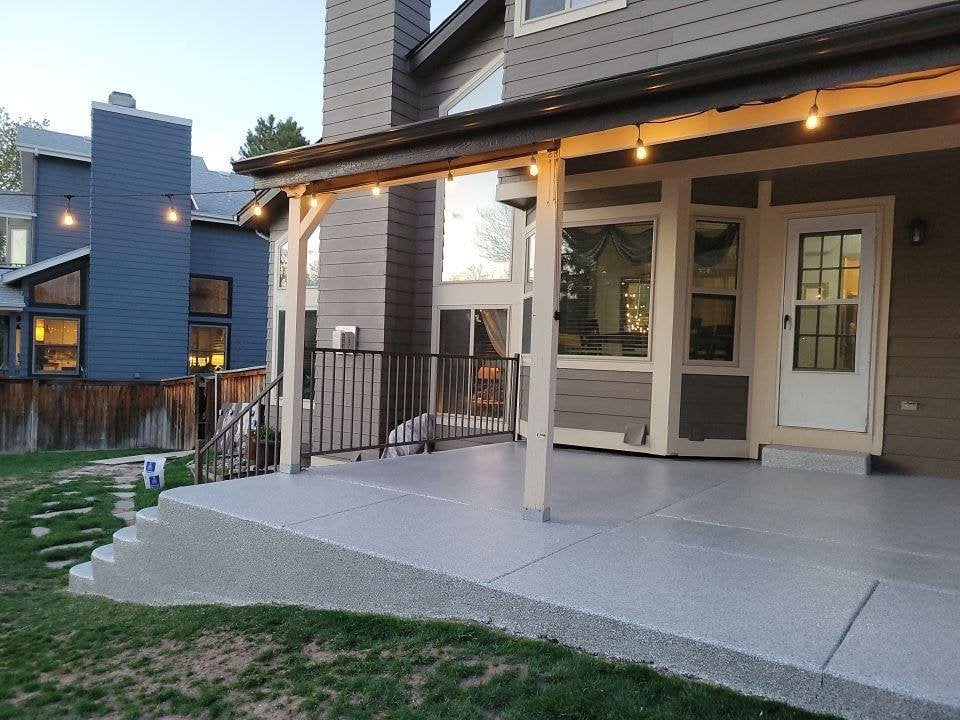
A professionally applied coating—whether epoxy, polyaspartic, or a polyurea hybrid—seals the concrete surface, creating a non-porous barrier. Snowmelt and salt sit on top of the coating instead of soaking in, giving you time to clean it up before it causes any lasting harm. This is especially valuable in Manchester, NH, where winters bring repeated freeze-thaw cycles and heavy road salt use.
What Type of Coating Holds Up Best in Cold, Salty Conditions?
Polyaspartic coatings are a strong choice for homeowners dealing with harsh winters. They cure quickly, remain flexible in cold temperatures, and resist UV yellowing and chemical staining better than standard epoxy. Choose polyaspartic coatings if you want faster installation and stronger resistance to temperature swings. Choose epoxy if budget is the primary concern and you're comfortable with a slightly longer cure time. Both options outperform bare concrete significantly when it comes to winter durability.
How Do You Prepare a Coated Garage Floor Before Winter Arrives?
A little prep work before the first snowfall makes winter maintenance much easier.
Clear Out Summer Clutter
Remove bikes, lawn equipment, and anything else that's been sitting on the floor since summer. This gives you full access to inspect the coating for any chips, scratches, or wear spots that may need touch-up before the cold sets in.
Inspect for Damage
Walk the floor and look closely at high-traffic areas—near the door, around parked vehicles, and by workbenches. Small chips or scuffs are easier to repair before winter than after months of added stress from boots, tires, and road salt.
Set Up a Boot and Shoe Station
Place a durable boot tray or rubber mat near the entry point where people walk in from outside. This catches the bulk of snow, slush, and salt before it spreads across the rest of the garage.
Stock Up on the Right Cleaning Supplies
Keep a stiff-bristle broom, a mop, and a pH-neutral cleaner on hand. Avoid harsh degreasers or ammonia-based cleaners, as these can dull the coating's finish over time.
How Often Should You Clean a Coated Garage Floor During Winter?
Consistency matters more than intensity. A quick daily sweep combined with a weekly rinse keeps salt and grit from building up and scratching the surface.
Daily Habits
Sweep away loose salt, sand, and dirt tracked in from boots and tires. This small habit prevents abrasive particles from grinding into the coating underfoot, which over time can create fine scratches and dull the finish.
Weekly Deep Clean
Once a week, rinse the floor with warm water and a mild, pH-neutral cleaner. For stubborn salt residue, a mixture of water and a small amount of dish soap works well. Avoid power washing directly on seams or edges, as high-pressure water can sometimes find its way under the coating if there are any existing vulnerabilities.
Monthly Inspection
Check the floor monthly for any signs of peeling, bubbling, or discoloration. Catching an issue early—before it's exposed to months of continued salt exposure—makes repairs simpler and less expensive.
What Winter Mistakes Damage Garage Floor Coatings the Fastest?
Even a high-quality coating can wear down faster if a few common mistakes go unchecked.
- Letting salt pile up. Road salt left sitting on the coating for days can create a dull, chalky residue that's tougher to remove the longer it's ignored.
- Using the wrong cleaning products. Harsh chemical cleaners can break down the coating's topcoat, leading to reduced shine and durability.
- Dragging heavy, salt-covered gear across the floor. Snowblowers, sleds, and shovels can scratch the surface if dragged rather than lifted.
- Ignoring small chips. A minor chip exposed to repeated moisture and salt can expand into a larger area of damage by spring.
Protect Your Investment All Winter Long
A coated garage floor is built to handle far more than bare concrete ever could, but a little seasonal care goes a long way toward preserving its appearance and performance. Sweeping daily, rinsing weekly, and catching small issues early are simple habits that pay off when the snow finally melts.
If your garage floor is showing signs of wear, or you're ready to upgrade to a coating built for New Hampshire winters, Next Level Concrete Coatings can help. Reach out today to learn more about our garage floor coatings Manchester NH homeowners rely on to get through the toughest months of the year.
FAQ
How much does it cost to maintain a coated garage floor in winter?
Routine winter maintenance costs little beyond a broom, mop, and mild cleaner you likely already own. The main investment is time—a few minutes daily and slightly more weekly keeps the coating in good condition.
How long do garage floor coatings typically last in cold climates?
With proper care, polyaspartic and epoxy coatings can last 10 years or more, even in regions with heavy winter salt use, though exact longevity depends on traffic and maintenance habits.
Can I use rock salt or ice melt near a coated garage floor?
Yes, but it should be swept or rinsed away promptly. Leaving salt residue sitting on the coating for extended periods can dull the finish over time.
What should I do if my coated floor shows a chip or crack after winter?
Contact a coatings professional for an inspection. Small repairs are typically quick and affordable, especially when addressed before the area is exposed to additional moisture.
Is it worth getting garage floor coatings installed specifically for winter protection?
Yes, if your garage regularly deals with snow, slush, and de-icing chemicals. Choose a coating system if you want long-term protection against moisture damage, staining, and the freeze-thaw cycles common in New Hampshire winters.